Woodland Cottage Cross Stitch: A Designer's Craft Fair Review
First Impressions: Modern Forest Landscape with Handmade Appeal
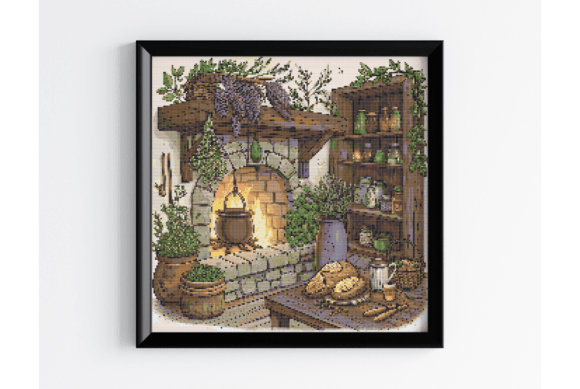
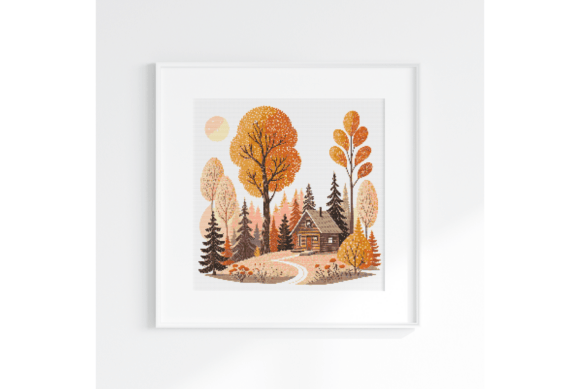
When I first opened the Woodland Cottage Cross Stitch chart, I immediately recognized its potential for craft fair and handmade market products. This modern forest landscape cross stitch chart offers a detailed and relaxing stitching experience, and as someone who regularly prepares booth inventory, I can tell you that designs with this kind of natural, serene mood tend to stop shoppers in their tracks. The instant download includes a high-quality counted embroidery pattern that beautifully depicts a forest cottage scene, and the first impression is one of calm, modern rustic charm. It is not overly cutesy or heavily farmhouse in style; instead, it leans toward a soft, minimal, and decorative aesthetic that feels both premium and approachable. That balance is exactly what many Etsy sellers and small shop product creators look for when curating their collections.
For a craft fair product, the visual hook matters immensely. Woodland Cottage Cross Stitch offers a scene that feels aspirational and comforting, which resonates with customers seeking handmade gifts or personal treasures. The forest landscape format reads clearly at a distance, which is critical for booth displays where shoppers are scanning from several feet away. The design does not rely on tiny, fussy details to carry its appeal; instead, the overall silhouette and composition work together to create a strong first impression. That makes it a solid candidate for everything from embroidered tote bags to apron embroidery projects.
Best Product Applications for Woodland Cottage Cross Stitch
After reviewing the machine embroidery design potential of Woodland Cottage Cross Stitch, I ran through several common product formats that handmade sellers typically offer at weekend markets. Here is how this embroidery file performs across different surfaces and items.
Tote Bags and Market Bags
This is where Woodland Cottage Cross Stitch truly shines. A tote bag design with this forest scene becomes a statement piece. The modern forest landscape format fills the center of a standard canvas tote beautifully, and the thread colors create a natural gradient that draws the eye. For batch production, the design repeats well, and the stitch density is manageable for mid-weight cotton or linen blend totes. I would recommend using a tear-away stabilizer and testing the scale on a sample tote before committing to a full run. The design works best as a focal point rather than a small accent on a tote, so plan your hoop size accordingly.
Aprons and Tea Towels
Apron embroidery is a staple at craft fairs, and Woodland Cottage Cross Stitch brings a sophisticated touch to kitchen and garden aprons. The natural forest theme pairs well with linen aprons in earthy tones like sage, oatmeal, or soft brown. On tea towel embroidery, the design sits nicely as a centered panel or a slightly off-center focal piece. The detail level is high enough to feel premium but not so dense that it overwhelms the fabric. I suggest using a medium-weight cut-away stabilizer for towels to prevent puckering, especially if the fabric has a loose weave. The thread contrast against lighter fabrics is excellent, though I would avoid very dark or heavily textured towels that might obscure the landscape elements.
Embroidered Patches and Caps
The embroidered patch format is always popular for handmade markets, and Woodland Cottage Cross Stitch can be adapted into a patch design if the scale is reduced carefully. However, I must note that the detailed forest landscape may lose some clarity at smaller patch sizes. For caps, the curved surface of a cap front requires careful hooping and a flexible stabilizer. The design's stitch density needs to be reviewed before placing it on a cap, as dense areas can cause distortion on the curved surface. I would recommend testing a single cap mockup before offering this design as a cap product. The thread colors work well on cotton twill or structured cap fabrics, but avoid using it on mesh or unstructured styles.
Pillow Covers and Fabric Pouches
For home decor items, Woodland Cottage Cross Stitch feels right at home. A pillow cover with this forest scene becomes a cozy accent piece that appeals to customers looking for handmade home goods. The design reads well on linen or cotton pillow covers in neutral or warm tones. For fabric pouches, the smaller format works if you scale the design to fit the pouch front without crowding the edges. The landscape format naturally suits rectangular pouches rather than square ones. I have found that customers at craft fairs respond strongly to nature-themed home decor, and this design fits that demand without feeling generic.
Visual Appeal, Booth Display, and Customer Engagement
The real test of any handmade product is how it performs in a booth setting. Woodland Cottage Cross Stitch has a quiet confidence that draws customers in without shouting. The forest landscape feels immersive, and the thread colors invite closer inspection. When I display embroidered products at a craft fair, I always place a few finished examples at eye level and include a printable mockup showing the design on different product types. This design photographs exceptionally well for Etsy seller listings and social media, which is a major advantage for selling both at markets and online. The natural color palette works in various lighting conditions, so your product photos will look consistent and appealing.
From a brand consistency standpoint, this design fits a modern rustic or nature-inspired shop identity. If your booth already features forest themes, neutral earth tones, or cottagecore elements, Woodland Cottage Cross Stitch will reinforce that aesthetic. I also appreciate that the design does not feel dated or overly trendy; its timeless, modern forest landscape quality means it can remain in your product lineup for multiple seasons without feeling stale. That is an important consideration for creative entrepreneurs who invest time in building a cohesive product line.
Practical Production Notes for Batch Making
Before you start stitching dozens of units for a show, there are several practical points to examine. Stitch density is a key factor. The detailed nature of this cross stitch pattern means there may be areas with higher stitch counts, especially in the foliage and cottage details. I recommend running a test stitch-out on scrap fabric to confirm that the density works for your chosen material. If the design feels too dense for lightweight fabric, you may need to adjust the scale or simplify some areas. Checking the thread colors against your fabric is essential; test at least three fabric color options to find the best contrast. Linen, cotton, and cotton-blend fabrics in medium tones tend to work best.
Hoop size is another critical detail. The digital embroidery file will specify a recommended hoop, but always verify that the design fits comfortably within the hoop area with enough margin for stabilizer. Using the correct stabilizer type and weight will prevent shifting and puckering. For most applications, a medium-weight cut-away stabilizer provides reliable results. If you are working with fabric texture like thick towel loops or heavy canvas, you may need a heavier stabilizer or a topping layer. Commercial embroidery production requires consistency, so document your stabilizer, thread, and fabric choices for each product type.
Careful-Use Notes
- Dense stitch areas: The forest foliage and cottage roof may contain dense stitching. Test on scrap fabric first to avoid distortion or thread breaks.
- Tiny details: If you reduce the design size significantly, small elements like window frames or tree branches may lose clarity. Keep the design at a size where details remain visible.
- Dark fabric: The thread palette for Woodland Cottage Cross Stitch may not contrast well on very dark fabrics. Test on charcoal, navy, or black before committing to production.
- Textured towels: Embroidery on thick terry or looped towels may cause detail loss. Use a water-soluble topping and test the stitch-out to confirm readability.
- Curved cap surfaces: The design's density and shape may cause puckering on curved cap fronts. Use a flexible stabilizer and test one cap before batch production.
- Small lettering: The product description mentions a detailed pattern, but if the design includes any small text, verify that it remains legible at your chosen scale.
Designer's Checklist Before Production
As an experienced embroidery designer, I always run through a checklist before turning any Graphics or Cross Stitch Patterns into finished products for a craft fair. Here is my recommendation for Woodland Cottage Cross Stitch:
- Test the design on scrap fabric using the same fabric type you plan to sell on. Note any tension issues or thread breaks.
- Check thread contrast by holding your chosen thread colors against the fabric in natural light and booth lighting. Adjust colors if needed for better visibility.
- Review spacing and placement on each product type. Ensure the design is centered or positioned according to your product template.
- Confirm hoop size and ensure the design fits within the hoop with at least 1 inch of margin on all sides for stabilizer.
- Inspect stitch density and simplify any overly dense areas if the fabric cannot support them. Use your embroidery software to preview density maps.
- Use the right stabilizer for each fabric type. Cut-away for woven fabrics, tear-away for stable fabrics, and water-soluble topping for textured surfaces.
- Create at least one real mockup of each product type. A physical sample allows you to photograph the finished product and assess quality in person.
- Compare fabric colors across different product lines. Consistency in fabric color choices helps your booth look cohesive and professional.
- Confirm commercial licensing before selling finished products. Verify the design assets license terms for the digital embroidery file to ensure you are authorized to sell items made from the pattern.
- Photograph your mockups for Etsy seller listings and booth signage. A printable mockup showing the design on multiple products helps customers visualize the finished piece.
Final Thoughts on Woodland Cottage Cross Stitch for Your Handmade Business
After reviewing Woodland Cottage Cross Stitch through the lens of a craft fair seller, I can confidently say this design has strong potential for a range of handmade products. Its modern forest landscape aesthetic appeals to customers seeking nature-inspired decor and gifts, and its balanced stitch density makes it practical for batch production. The design performs exceptionally well on tote bags, aprons, tea towels, and pillow covers, and it photographs beautifully for online listings. As with any machine embroidery design, careful testing and preparation are essential to achieve consistent, high-quality results. By following the practical notes and designer checklist provided here, you can bring Woodland Cottage Cross Stitch to your booth with confidence, knowing it will attract attention and convert browsers into buyers. Whether you are a seasoned Etsy seller or a new small shop product creator, this design deserves a place in your production lineup for the next craft fair season.