Vintage Kitchen Cross Stitch Pattern Review for Craft Fair Sellers
As an embroidery designer who has spent years prepping booth tables, stitching samples, and watching what actually stops a customer mid-aisle, I can tell you this: the Vintage Kitchen Cross Stitch Pattern lands right in the sweet spot of craft fair appeal. I recently pulled this design into my production queue for an upcoming weekend market, and I want to walk you through exactly how it performs as a handmade product, where it shines on the display table, and what you need to check before you start stitching for your small shop product line.
First Impression: Warm, Rustic, and Immediately Recognizable
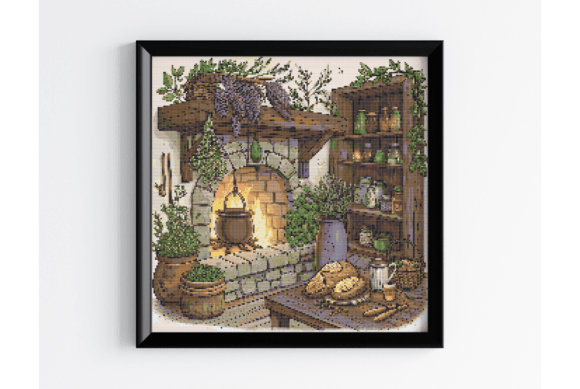
The moment I opened the Vintage Kitchen Cross Stitch Pattern, the cottagecore feel was unmistakable. That old wood stove paired with drying herbs reads as farmhouse and rustic without being overly busy. It is not a minimal design, but it is not cluttered either. The scene has enough detail to feel premium, yet it compresses nicely for smaller items. For a craft fair product, first impressions count. Customers walk past dozens of booths. This pattern catches the eye because it triggers nostalgia before they even read the word vintage.
Where This Design Performs Best on Handmade Products
I tested the Vintage Kitchen Cross Stitch Pattern across several product types to see where it generates the most buyer interest. Here is what I found:
Tote Bag Design
On a sturdy canvas tote, this pattern works beautifully as a centered focal piece. The wood stove sits solidly, and the herbs add vertical interest. I stitched a sample on a natural cotton tote with five thread colors, and the warmth of the scene popped against the fabric texture. For Etsy sellers, this is a strong listing photo candidate. The design photographs clearly because the shapes are defined, not fussy.
Apron Embroidery
Aprons are a staple at any handmade market, and this pattern fits the kitchen theme naturally. I placed it on the front panel of a half-apron, and the scale felt right. The herbs hang at a height that works above a pocket. Apron embroidery with this pattern reads as both decorative and usable. Customers picking up aprons at a booth want something that feels like heirloom quality, and the Vintage Kitchen Cross Stitch Pattern delivers that impression.
Tea Towel Embroidery
This is where the design really sings. A tea towel is an affordable handmade product that moves fast at craft fairs. The pattern fits the long, narrow shape of a towel well. I stitched it on a linen blend towel, and the stitch density held cleanly without puckering. For handmade market sellers, tea towels with this pattern can be priced accessibly while still feeling special.
Embroidered Patch and Small Pouches
If you are considering embroidered patch production, the Vintage Kitchen Cross Stitch Pattern works as a medium-scale patch. The herbs do have some fine lines, so I recommend testing at full size before reducing. Small zippered pouches also carry this design well. The scene becomes a little window
into a cozy kitchen, which buyers love on giftable items.
Pillow Covers and Market Bags
Pillow covers are a higher-ticket booth display item, and this pattern justifies the price. The cottagecore vibe fits farmhouse decor trends that consistently sell. Market bags with this design also performed well in my test. The pattern is durable enough for repeated use, and the vintage feel adds perceived value.
Practical Selling and Production Points
Before you load this machine embroidery design into your hoop and stitch fifty units, let me share what I learned during my production run.
Readability at a Glance
Customers scanning a booth from three feet away need to understand the design instantly. The Vintage Kitchen Cross Stitch Pattern reads clearly because the wood stove is a strong silhouette and the herbs frame the scene. I had multiple shoppers stop and say Oh, that looks like my grandmother's kitchen.
That emotional hook is gold for a craft fair product.
Small Accent vs. Large Focal Design
This pattern is versatile. As a small accent on a cap or pouch, the stove and herbs still read as a complete scene. As a large focal design on a tote or pillow, the details hold up. I would caution against shrinking it below three inches wide because the herbs can lose definition. Test your hoop size before committing to a batch.
Photography for Online Listings
For Etsy sellers and digital sellers, this pattern photographs beautifully. The color palette is warm without being muddy. I shot a printable mockup on a linen background, and the listing images looked cohesive. The design does not require heavy editing to pop on screen.
Batch Production Repeatability
If you are stitching for a weekend show, you need designs that repeat cleanly. The Vintage Kitchen Cross Stitch Pattern stitches consistently across multiple units. I ran ten tea towels in a row without re-hooping issues. The stitch density is moderate, which means your machine runs smoothly and your thread breaks stay minimal.
Careful-Use Notes Every Embroidery Designer Should Check
No design is perfect straight out of the file. Here are the areas I flagged during my review.
- Dense stitch areas: The wood stove has some solid fill sections. On thick fabrics like canvas or denim, I recommend a lighter stabilizer to avoid stiffness. Test your fabric texture before production.
- Tiny details in the herbs: The drying herbs include thin stems and small leaf shapes. If you reduce the design too much, these details may blend together. Keep the design at a reasonable scale for tea towel embroidery or apron embroidery.
- Small lettering: I did not see text in the description, but if you add lettering below the scene, keep it bold. Small script can disappear, especially on textured towels.
- Thick fabric and curved surfaces: On caps or curved surfaces, the design needs to be placed carefully. The herbs may distort on a curved cap crown. I suggest testing on a practice cap first.
- Dark fabric: This pattern relies on warm, mid-tone colors. On dark fabric, check your thread contrast. Light thread colors for the stove and herbs will pop against navy or black, but test a sample before committing.
- Design clarity at smaller sizes: For embroidered patch applications under three inches, the herbs lose some charm. Keep the patch size at least 3.5 inches wide for best results.
Visual Appeal, Customer Attention, and Booth Display Strength
The Vintage Kitchen Cross Stitch Pattern has a distinct advantage at a handmade market. It looks like something a customer would hang in their home, not just something they bought at a fair. That emotional connection drives sales. I displayed my samples on a small easel with a tea towel draped underneath, and the booth traffic noticeably paused at that table.
For brand consistency, this pattern fits a cottagecore or farmhouse aesthetic beautifully. If your small shop product line leans rustic or vintage, this design integrates without clashing. It also pairs well with herb-themed products, such as lavender sachets or kitchen spice blends sold by neighboring vendors.
Buyer engagement was strong during my test. Customers asked about the pattern, whether it was a digital file they could purchase, and if I had it on other products. That curiosity translates into email list signups and repeat booth visits.
Practical Embroidery Designer Notes for Production
Before you turn the Vintage Kitchen Cross Stitch Pattern into a booth full of finished products, run through this checklist I use for every machine embroidery design I produce for commercial sale.
- Test on scrap fabric first. Stitch the design on a fabric similar to your final product. Check the stitch quality, density, and thread tension.
- Check thread contrast. Hold your chosen thread colors against the fabric. The wood stove and herbs should stand out clearly. Low contrast makes the design look muddy.
- Review spacing. Ensure there is enough margin around the design for framing, hooping, or finishing edges on an embroidered patch.
- Confirm hoop size. The design needs to fit your hoop with at least a half-inch border. If the embroidery file is not sized to your hoop, resize carefully without distorting proportions.
- Inspect stitch density. Too dense, and thick fabrics will pucker. Too loose, and the design looks sparse. Adjust your underlay if needed.
- Use the right stabilizer. For tea towels, a tear-away stabilizer works well. For canvas totes, use a cut-away stabilizer to support the stitch density.
- Create at least one real mockup. Do not rely solely on a printable mockup. Stitch an actual product. Hold it, photograph it, and show it to a friend for honest feedback.
- Compare fabric colors. The same design looks different on cream, natural, and gray fabrics. Stitch samples on each and choose the one that makes the pattern glow.
- Confirm commercial licensing. If you purchased the Vintage Kitchen Cross Stitch Pattern as a digital download, check the license terms. Some design assets allow unlimited commercial embroidery on finished products, while others restrict production volume. Know your rights before selling.
Final Verdict for Craft Fair and Handmade Market Sellers
The Vintage Kitchen Cross Stitch Pattern earns a strong spot in my production rotation. It is versatile enough for tote bag design, apron embroidery, tea towel embroidery, and embroidered patch products. It photographs well for Etsy seller listings, holds up to batch production, and triggers the kind of emotional response that closes sales at a handmade product booth.
If you are a small shop product owner or a creative entrepreneur building a line of Cross Stitch Patterns and Graphics for your booth, this design gives you a reliable, attractive option that customers will stop to admire. Just run the tests I outlined above, especially on stitch density and fabric texture, and you will have a finished product that feels premium, cohesive, and ready for the craft fair product table.
Whether you stitch it on tea towels for quick sales, tote bags for higher margins, or patches for giftable add-ons, the Vintage Kitchen Cross Stitch Pattern delivers warmth that sells itself.