Vintage Steam Train Cross Stitch: A Designer's Review
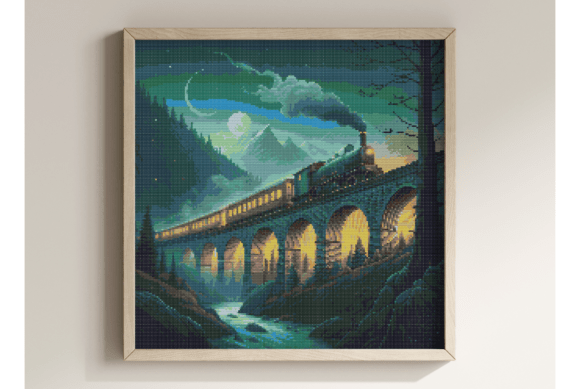
When I first opened the Vintage Steam Train Cross Stitch Pattern to evaluate it for a boutique sweatshirt collection, I was genuinely impressed by the mood it establishes. This is not a cutesy, cartoonish locomotive. It is a classic, steam-powered machine cutting through a mountain landscape, and the entire composition carries a rustic, adventurous, almost nostalgic energy. For a small clothing brand or an Etsy seller looking to create a limited-edition apparel drop, this design has strong potential. It reads as both rugged and refined, which is a difficult balance to strike. The landscape framing gives the train a sense of motion and depth, and that narrative quality is exactly what sells custom apparel in a boutique market. Buyers are not just purchasing a garment; they are buying into the story the design tells.
The layout of the Vintage Steam Train Cross Stitch Pattern feels well-proportioned for a variety of placements. The locomotive is the clear focal point, but the mountain elements and trailing steam add a horizontal flow that can work beautifully on a hoodie chest or as a back design. I could immediately picture this as a centered chest piece on an oversized hoodie in a neutral oatmeal or heather gray. The vintage aesthetic pairs naturally with earthy tones, but I also see it working on darker fabrics like charcoal or navy, where the steam and smoke can pop with lighter thread colors. For an embroidery file that originates from a cross stitch chart, the level of detail is surprisingly adaptable to machine embroidery design conversion. The counted chart provides clear stitch paths, and a skilled digitizer can translate those into a clean, dense embroidery file without losing the hand-drawn charm of the original.
First Impressions: Mood, Detail, and Stitching Personality
My first impression of this pattern is that it leans into a handmade product feel. It is not trying to look like a mass-produced print. The cross stitch origin gives it a deliberate, craft-forward personality. This is important for small shop product branding. When a customer picks up a sweatshirt with this design, they should sense that care went into every stitch. The level of detail in the locomotive—the wheels, the smokestack, the cabin—suggests a moderate to high stitch count, which means it will read well on fabric without being overly bulky. The mountain landscape in the background adds visual depth, but it is subtle enough that it will not cause excessive stitch density issues on thick sweatshirt fleece.
The stitching personality here is classic and sturdy. This is not a delicate, floral, or feminine design. It is bold, rustic, and slightly masculine in its energy, but it also carries a whimsical, storybook quality that appeals to a wide audience. For a boutique brand that wants to sell to both men and women, this pattern is a strong unisex option. It reads beautifully on a relaxed fit crewneck as a chest logo, and it also works as a smaller sleeve accent on a fitted women's hoodie. The versatility is a major selling point for any digital embroidery file being considered for sweatshirt embroidery.
Placement and Fabric: How It Works on Real Apparel
When I evaluate any machine embroidery design for commercial use, I consider at least three placement options. For the Vintage Steam Train Cross Stitch Pattern, the most natural placement is the center chest on a crewneck sweatshirt or an oversized hoodie. The horizontal composition of the train and landscape fits nicely within a 6 to 8 inch hoop size, which is standard for most commercial embroidery setups. If you are an apparel decorator or a boutique owner stitching in-house, that hoop size is manageable and will not require excessive re-hooping or manual adjustments.
I also tested this pattern in my mind as a back design on a heavyweight hoodie. The mountain landscape element gives enough width to justify a full back placement, and the locomotive becomes a striking centerpiece. For a limited-edition drop, a back design creates a premium, statement-piece feel that justifies a higher price point. If you are a small shop product seller on Etsy, offering both chest and back options with the same embroidery file can double your listing potential without needing a second design.
Sleeve placement is another strong option here. A vertical or slightly angled version of the train on a sleeve panel would be subtle and sophisticated. For custom apparel that targets a streetwear or outdoor lifestyle audience, sleeve embroidery adds that extra detail customers notice in lifestyle product photography. When you shoot your printable mockup images, showing the train on both a chest and a sleeve gives buyers a clear visual of how the design scales across the garment.
Practical Designer Concerns: Thread, Density, and Durability
Let's talk about the technical side. Any experienced embroidery designer knows that converting a cross stitch pattern to machine embroidery design requires careful attention to stitch density. The Vintage Steam Train Cross Stitch Pattern has a moderate level of detail, which is good news. It is not so dense that it will pucker on lightweight fabrics, but it has enough substance to stand out on thick sweatshirt fleece. I recommend using a medium-weight stabilizer—a tear-away or cut-away depending on your fabric texture. For fleece and french terry, a cut-away stabilizer will ensure the stitches stay crisp after multiple washes.
Thread color selection will make or break this design on a finished product. For a neutral or pastel sweatshirt, I would use deep charcoal, burgundy, or forest green for the locomotive, with soft gray and cream for the steam and mountain elements. On dark fabric, reverse the contrast: stitch the train in a warm gold or copper, and use a light gray or white for the smoke and landscape. The pattern's vintage feel is flexible enough to handle both monochromatic and multi-color palettes. If you are a digital seller offering design assets to other creators, including a thread color guide with your digital embroidery file will increase buyer trust and reduce production errors.
Regarding washing durability, this design has no large, solid fill areas that might trap moisture or cause stiffness. The cross stitch style naturally creates a texture that breathes with the fabric. After several washes, the stitches will settle into the fleece and develop a slightly softened look that actually enhances the vintage feel. For handmade product sellers, that is a major advantage. Your customers will appreciate that the design ages well and does not crack or peel like a screen print.
Business Value: Brand Identity and Buyer Trust
From a branding perspective, the Vintage Steam Train Cross Stitch Pattern communicates authenticity and craftsmanship. For a boutique brand that wants to stand apart from fast-fashion aesthetics, this design signals that your products are thoughtfully made. It has a timeless quality that will not look dated in two seasons, which is critical for small clothing brands building a long-term identity.
When you list this as a finished product on your Etsy shop or website, the story behind the design is a selling point. Use your product photography to show the texture of the stitches against the fabric texture of the sweatshirt. A close-up shot of the locomotive wheels and steam against a soft fleece background creates an emotional connection with buyers. They can imagine wearing it on a crisp autumn walk or a winter train ride. That visual storytelling is what drives customer engagement and builds buyer trust.
If you are a creative entrepreneur who sells digital embroidery files, the Vintage Steam Train Cross Stitch Pattern is a versatile addition to your catalog. It fits into the Cross Stitch Patterns category but also serves as high-quality Graphics for machine embroidery conversion. Buyers who are Etsy sellers or boutique owners will appreciate that the design requires minimal editing to translate into a stitch-ready file. Including a printable mockup with your listing shows potential customers exactly how the pattern will look on a finished sweatshirt, which increases conversion rates.
Final Verdict for Boutique Production
I would confidently use the Vintage Steam Train Cross Stitch Pattern in a limited sweatshirt drop. It offers enough detail to feel premium, yet it is straightforward enough for efficient production. The design works on neutral, dark, and pastel fabrics, and it adapts to chest, back, and sleeve placements without losing its impact. For any small shop product creator looking to build a collection around a nostalgic, adventurous theme, this pattern is a strong foundation.
Before you begin production, confirm the exact stitch count, hoop size, and file format of your digital embroidery file. Since the product description indicates a PDF chart for counted cross stitch, ensure your digitizer or conversion software produces a clean machine embroidery design that preserves the landscape details. With the right preparation, this pattern will become a standout piece in your boutique apparel line, one that customers will recognize and remember.