Window Mockup: A Craft Fair Embroidery Review
As a professional embroidery designer who spends most weekends setting up booths at craft fairs and handmade markets, I have learned to spot a winning machine embroidery design within minutes of opening the file. The product title Window Mockup landed in my review queue with a description that promises simple, stylish home decor pieces that play well with other lovely designs. After stitching it out, testing it across multiple product types, and evaluating its shelf appeal for an upcoming market season, I am ready to share my honest assessment. This review is written for fellow handmade shop owners, Etsy sellers, Cricut and embroidery crafters, boutique makers, and creative entrepreneurs who need to know whether Window Mockup deserves a spot in their production lineup.
First Impressions of Window Mockup for Handmade Markets
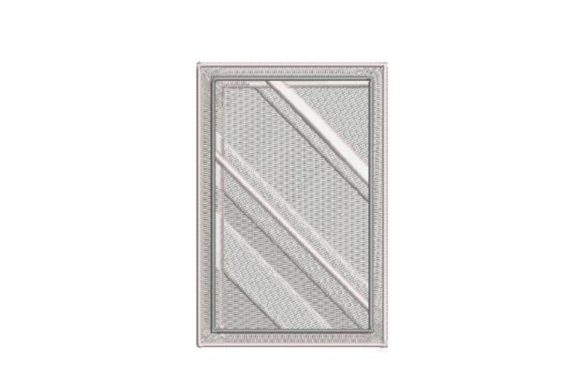
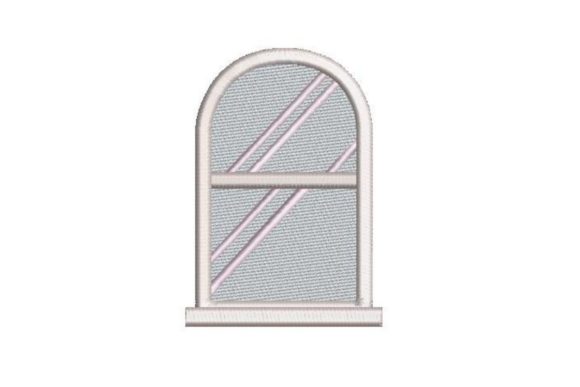
Opening the embroidery file, my immediate thought was that Window Mockup leans into a clean, minimal, slightly farmhouse aesthetic that has strong traction in the House Home category. It is not overly cute or whimsical, nor does it feel rustic in a heavy-handed way. Instead, the design reads as quiet, elegant, and versatile. The window motif is recognizable without being literal, and it carries a sense of openness and light that translates naturally into home decor items. For a craft fair product, first impressions matter enormously. Customers walking past a booth decide in seconds whether something catches their eye. Window Mockup has the kind of understated visual appeal that stops shoppers who appreciate simple, modern handmade goods. It does not scream for attention, but it holds it once noticed. That quality is valuable because it invites closer inspection and conversation at the booth.
Where Window Mockup Shines at Your Craft Fair Booth
I tested Window Mockup on several common product blanks that I bring to markets, and the results varied in ways that matter for production planning. On tote bag designs, the embroidery file stitched out cleanly and created a focal point that feels both decorative and intentional. Tote bags with this design look like items a customer would carry daily, which is exactly the kind of practical appeal that drives sales. For apron embroidery, Window Mockup sits beautifully on the chest or lower pocket area. It adds a handmade touch without overwhelming the garment. Tea towel embroidery is another strong application. The window motif stretches nicely across a towel hem, and the stitch density held up well on linen-cotton blends. I can see these towels selling quickly at fall and spring markets, especially when displayed folded with the design visible.
Embroidered patch production using Window Mockup is feasible, though I recommend checking the hoop size carefully. If your patch blanks are small, the design may need scaling down, and you will want to confirm that fine details remain legible. For pillow covers, this design really shines. It has enough substance to stand alone as a centered motif, and it also works as part of a larger arrangement if you combine it with other simple shapes. Market bags and fabric pouches also benefit from Window Mockup. The design adds perceived value without adding excessive production time, which is exactly what small shop owners need for profitable batch runs. I would caution against caps and curved surfaces unless you have a cap frame and are comfortable with the design scaling down. The window shape may distort on highly curved hat fronts.
Batch Production and Booth Display Strength
One of the strongest selling points of Window Mockup for a craft fair product lineup is how repeatable it is for batch production. The design appears to have a manageable stitch count and a limited palette of thread colors. This means you can stitch multiple units in a single sitting without constant thread changes or dense stitching that slows down the machine. For Etsy sellers who also sell at weekend markets, efficiency matters. Being able to produce a dozen tea towels or tote bags in a few hours directly affects your booth inventory and your profit margin. I also appreciate that Window Mockup photographs well for online listings. The clean lines and simple shapes register clearly on camera, even on phone photos taken in booth lighting. A printable mockup of the design layered onto product photos can help you test listing images before you commit to a full production run. If you sell digital embroidery file assets, this design also makes an appealing sample to include in your shop.
When it comes to booth display strength, Window Mockup creates a cohesive visual story. I recommend grouping finished products that feature this design together on a table or shelf. A set of a tote bag, a tea towel, and a small pouch stitched with the same embroidery file gives customers a sense of a coordinated collection. That kind of brand consistency builds trust and encourages multiple purchases. In my experience, designs that allow this kind of product family approach outperform single-item offerings at craft fairs.
Practical Designer Notes for Window Mockup
Before you take Window Mockup into full production, I strongly suggest a few practical steps that every experienced embroidery designer follows. First, test the design on scrap fabric that matches your final product blanks. Pay close attention to stitch density. If the design feels too dense, it may cause puckering on lightweight fabrics or leave visible holes on knits. Adjust the stabilizer accordingly. For most home decor items, a tear-away or cut-away stabilizer works well, but fabric texture matters. Towels need a water-soluble topping to keep stitches from sinking into the nap. Second, check thread contrast against your chosen fabric. A light window on a dark fabric creates a striking effect, but you may need a white underlay to prevent the background color from showing through. Third, review spacing around the design. Window Mockup benefits from some breathing room, especially on tote bags and pillow covers where the motif should not crowd the edges. Fourth, confirm your hoop size before you cut blanks. If you are using a smaller hoop, verify that the design scales well without losing clarity. Fifth, inspect stitch density in the editing software if you have that ability. Dense areas can be problematic on thick fabrics like denim or heavy canvas. Sixth, use the right stabilizer for each fabric type. Lightweight cottons need a medium cut-away, while towels require a topper. Seventh, create at least one real mockup before you list any finished products. A physical sample lets you check dimensions, color balance, and overall appearance in natural light. Eighth, compare fabric colors to ensure the design pops. A window motif on a pale fabric may need a darker thread to stand out. Finally, confirm commercial licensing for the embroidery file if you plan to sell the finished products. Some designers restrict commercial use, so read the terms carefully.
Careful Use Notes for Commercial Embroidery
No design is perfect for every application, and Window Mockup has a few areas where caution is warranted. Dense stitch areas require attention. If the design includes heavy fill sections, test them on your intended fabric to avoid stiffness or distortion. Tiny details and small lettering may lose clarity at smaller sizes, especially if you scale down the design for patches or pouches. Always stitch a sample at the target size before committing to a batch. Thick fabric and textured towels can cause registration issues if the design is very dense. Use a water-soluble topper on towels and consider a medium-weight cut-away stabilizer for heavier fabrics. Curved cap surfaces are challenging for this design because the window shape may distort. If you are determined to use it on caps, test on a practice cap first and consider a smaller version of the motif. Dark fabric can be tricky. White or light thread colors may require an underlay to prevent the fabric from showing through. Test on a dark scrap before you stitch a finished product. Also, pay attention to hoop size limitations. If your hoop is on the smaller side, make sure the design fits without crowding the edges. A cramped design loses its elegant simplicity and starts to look messy.
Final Verdict for Etsy Sellers and Small Shop Owners
Window Mockup is a strong addition to any house home embroidery lineup. It is simple enough for batch production, stylish enough to command a good price at craft fairs, and versatile enough to work across tote bags, aprons, tea towels, patches, pouches, and pillow covers. The design photographs well for online listings and creates a cohesive booth display when grouped as a collection. For commercial embroidery businesses and small shop product owners, this embroidery file offers solid return on investment. My main advice is to test thoroughly, especially on different fabric textures and sizes, and to always create a physical sample before launching. If you are preparing for an upcoming market season, Window Mockup deserves a spot in your production queue. Stitch it out, display it with confidence, and watch how it draws the customers who appreciate clean, handcrafted design.