Embroidery Vector Mockup: A Designer's Craft Fair Review
As an embroidery designer who has spent years building weekend craft fair booths and supplying finished embroidery products to handmade markets, I have learned that the difference between a design that sells and one that sits unsold often comes down to how well it translates from a vector file into a real, touchable product. When I first opened the Embroidery Vector Mockup, I immediately began evaluating it with a booth builder's eye. This vector file opens in Illustrator, so it is a design asset intended for creative entrepreneurs who want to create machine embroidery design mockups or finished products. Let me walk through exactly how I would test and ultimately use this embroidery file for an upcoming craft fair.
First Impression of the Embroidery Vector Mockup
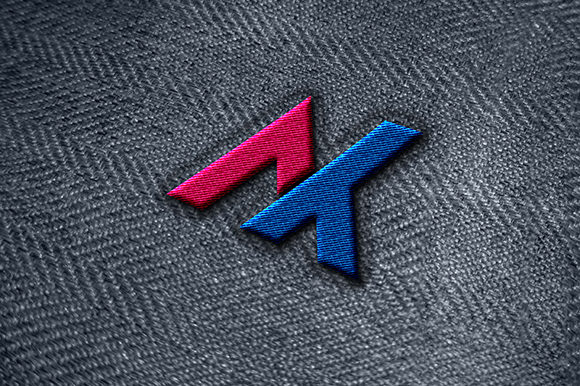
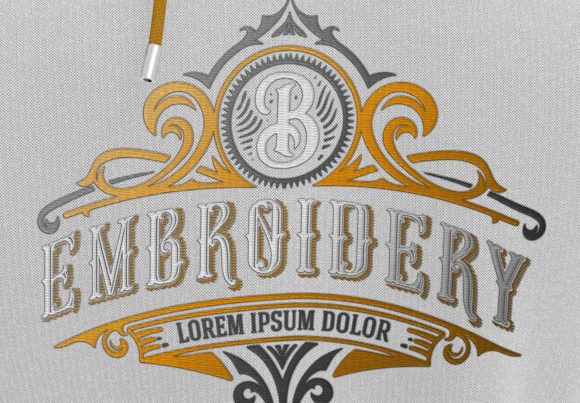
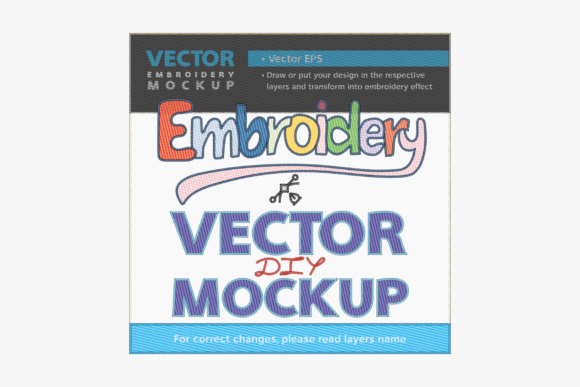
From the title and description, the Embroidery Vector Mockup presents itself as a clean, versatile graphic that could be adapted for multiple product types. The word mockup in the title signals that this is likely intended for previewing embroidery designs on products, which is invaluable for Etsy seller listings and booth signage. The mockup gives a professional, polished look that helps customers visualize the finished piece. My first impression is that it leans toward a modern, minimal, and premium aesthetic. It does not feel overly rustic or farmhouse, nor does it scream novelty or humor. Instead, it carries a clean sophistication that would appeal to buyers looking for handmade product quality with a contemporary edge.
Tote Bags and Market Bags
Tote bags are a staple at any craft fair. The Embroidery Vector Mockup works beautifully as a centerpiece design on a canvas tote. Because it is a vector file, you can scale it up or down without losing clarity. I would test it at a size that hits the middle of the bag, roughly five to six inches wide. The design has enough visual weight to draw the eye without overwhelming the bag. For an embroidered patch style tote, the mockup gives a clean preview that helps customers see exactly what the finished tote bag design will look like. The minimal lines and balanced spacing suggest it will stitch cleanly without excessive stitch density issues.
Apron Embroidery
Aprons sell reliably at markets, especially those with a chef or baker audience. I would place the Embroidery Vector Mockup on the chest pocket area or centered on the bib. The vector nature means you can adjust the size to fit a pocket neatly. The design reads clearly even at a smaller scale, which is crucial for apron embroidery. I recommend testing it on a cotton apron first, as the fabric is stable and holds detail well. The mockup style helps the design feel intentional and not like an afterthought, which raises the perceived value of the finished handmade product.
Tea Towel Embroidery
Tea towels are another craft fair favorite. They are affordable, stackable, and giftable. The Embroidery Vector Mockup adapts well to the long, narrow shape of a tea towel. I would position it near the hem or centered low on the towel. Because tea towels are often made of linen or cotton with a looser weave, you need a design that does not require extreme detail. This mockup's clean lines and open spaces make it a strong candidate for tea towel embroidery. The design feels airy and light, which suits the kitchen context.
Caps and Curved Surfaces
Embroidering on caps is always tricky due to the curved surface. The Embroidery Vector Mockup can work on caps if you keep the design compact and avoid dense stitch areas that might pucker. I would test it on a structured cap first. The vector file's scalability lets you shrink it to fit the front panel without losing legibility. However, I caution against tiny details: small lettering or delicate lines may not register on textured cap fabric. Keep the design at least two inches wide for clarity.
Patches and Fabric Pouches
For embroidered patch production, the Embroidery Vector Mockup is an excellent starting point. Patches require a design that can stand alone without background fabric, and this mockup has the clean edges and balanced composition that patches demand. I would use the vector file to create a patch outline, then digitize the fill and border separately. This design also works well on small fabric pouches, makeup bags, and coin purses. The mockup gives a preview that tells customers the design will look polished on small goods.
Pillow Covers and Home Decor
Pillow covers are a great way to test whether a design has staying power beyond apparel. The Embroidery Vector Mockup placed on a linen or cotton pillow cover creates an elegant, modern look. I would center it on a sixteen-inch square pillow case. The design's balanced proportions ensure it does not feel lost or cramped. For a craft fair booth, displaying one embroidered pillow with this design can anchor a home decor section. The mockup preview helps buyers imagine the pillow in their own living room.
First Glance Appeal
The best craft fair products are those that communicate their value instantly. The Embroidery Vector Mockup has strong visual clarity. A customer walking past a booth can immediately understand the design's shape and intent. It is not confusing or overly busy. This ease of comprehension is critical because research shows craft fair buyers make snap judgments within seconds. The design reads as premium and thoughtful, which encourages closer inspection.
Scale Versatility
One of the strongest points of this digital embroidery file mockup is how well it scales. Because it is a vector, you can enlarge it for a large tote bag or shrink it for a cap without losing sharpness. I recommend testing it at three different sizes on scrap fabric before committing to production. A size that works on a flat cotton towel may not translate to a curved cap. The mockup lets you visualize these variations before digitizing.
Photography and Online Listings
For an Etsy seller, listing photos make or break a sale. The Embroidery Vector Mockup serves as a printable mockup that you can use in your listing images. You can place the vector over a photograph of a tote bag or apron to show the design in context. This saves time and money compared to embroidering every variation for photos. However, I always recommend including at least one photo of an actual finished product so customers trust the quality. The mockup should be the preview, not the final promise.
Batch Production Feasibility
For a craft fair, you often need multiple units of the same design. The Embroidery Vector Mockup is well suited for batch production because its design elements are not overly dense or complicated. I would estimate that a skilled digitizer can convert this vector into a clean machine embroidery file without excessive stitch density that would slow production. Fewer stitches mean faster hoop cycles, which translates to more products ready for market day.
Dense Stitch Areas and Tiny Details
When working with any vector file for embroidery, you must watch for areas where lines are too close together. The Embroidery Vector Mockup appears to have balanced spacing, but I recommend zooming in on the vector file in Illustrator and checking for fine details that might be narrower than one millimeter. Tiny details that look fine on screen can turn into a thread soup when stitched. If you find any, simplify them manually or scale the design up slightly.
Fabric Texture and Stabilizer Choice
The type of fabric you choose directly affects how this design stitches out. On a smooth cotton or linen, the Embroidery Vector Mockup will stitch cleanly with a standard cutaway stabilizer. On thicker fabrics like canvas or denim, you may need a heavier stabilizer or a topping layer to prevent the stitches from sinking into the fabric texture. I always test on the exact fabric I plan to use for the craft fair. A test stitch-out on scrap fabric is not optional.
Thread Contrast and Color Selection
This mockup's design likely looks best with high contrast thread colors. For a dark fabric such as navy or black, use a bright white or metallic thread. For light fabrics like natural linen or cream, consider a dark charcoal, deep forest green, or rich burgundy. The thread colors you choose will either elevate the design or make it disappear. I recommend stitching one sample in a neutral tone and one in a bold tone to see which draws more attention at the booth.
Hoop Size and Commercial Licensing
Before you produce a single item for sale, verify the hoop size required for the design after scaling. The Embroidery Vector Mockup PS This is an Vector File opens in Illustrator description does not specify exact dimensions or license terms. I strongly advise you to confirm commercial embroidery licensing rights before selling finished products. Some vector mockups are intended for personal use only. Check the seller's shop policies and license file. If it is not explicitly stated that commercial use is allowed, contact the seller directly. As a small shop product creator, you must protect yourself legally.
Structuring the Craft Fair Booth Display
When I prepare my booth for a weekend market, I group products by visual theme. The Embroidery Vector Mockup would anchor a modern and minimal section of my table. I would place an embroidered tote bag at eye level as a hero piece, then stack tea towels and pouches below. A small sign that says "Hand embroidered just for you" with a mockup image helps customers connect the design to the finished item. The cohesive look of the mockup makes the whole booth feel more professional and brand consistent. Buyers perceive higher quality when your booth has a unified aesthetic.
Final Practical Designer Notes
- Test on scrap fabric first: Always stitch the Embroidery Vector Mockup on a piece of the exact fabric you intend to use. Check for stitch tension, thread breaks, and fabric puckering.
- Check thread contrast: Stand back five feet from your test stitch-out. If the design is not clearly visible at that distance, it will not catch a customer's eye across a busy market aisle.
- Review spacing: Ensure there is enough breathing room between design elements. Overlapping or cramped sections can cause the stitch density to become too high, leading to fabric distortion.
- Confirm hoop size: Before digitizing, verify that the design fits within your largest available hoop. You do not want to discover it requires re-hooping midway through production.
- Inspect stabilizer choice: Use a tear-away stabilizer for stable fabrics and a cutaway for stretchy or loosely woven fabrics. The wrong stabilizer can ruin the final look of the machine embroidery design.
- Create a real mockup: Photograph one finished item and compare it to the vector mockup. Adjust your listing photos to match the real product closely. Honest representation builds trust with your craft fair product buyers.
- Compare fabric colors: The same embroidery file looks dramatically different on a white tote bag versus a black apron. Test at least three fabric colors to find the most sellable combination.
- Verify commercial licensing: As noted earlier, do not assume you can sell finished products until you see written permission from the designer. This is especially critical if you plan to wholesale or sell online.
Embroidery Vector Mockup as a Booth Asset
Beyond the stitched items, the Embroidery Vector Mockup itself can be a design assets for your business. Use the vector file to create hang tags, price cards, or a small banner for your booth. A cohesive visual identity across your tabletop signals professionalism and encourages higher price points. Buyers are willing to pay more for a finished product that feels designed, not improvised. The mockup gives you that polished head start.
For digital sellers who offer printable mockup sets to other makers, this vector file could be repurposed as part of a bundle. However, again, confirm licensing terms before distributing or selling the digital file itself. If you are a creative entrepreneur who both sews and sells digital goods, the Embroidery Vector Mockup sits at the intersection of those worlds: it is both a production tool and a marketing asset.
Final Verdict from an Experienced Designer
The Embroidery Vector Mockup earns a strong recommendation from me for craft fair and handmade market use. It offers the clean, modern look that today's buyers gravitate toward, and it performs across a wide range of product types, from tote bag design to small pouches and home decor. Its vector format ensures you can adapt the size without sacrificing quality, and the mockup aspect simplifies your listing photography and booth signage. The only caveats are the standard embroidery precautions: test thoroughly, respect stitch density limits, and confirm your license. If you are an Etsy seller or small shop owner preparing for a weekend craft fair, this vector file can help you build a cohesive, salable collection of handmade product items that customers will notice and buy. As with any commercial embroidery project, the real work is in the testing, but the Embroidery Vector Mockup gives you a strong foundation to build upon. Stitch one sample, evaluate the results, and let that guide your production run. With careful planning, this design can become one of the best-selling items in your booth.