Embroidery Effect Mockup: A Designer’s Hands-On Review
When I first opened Embroidery Effect Mockup, I approached it the way I do any digital preview tool — with a mix of curiosity and practical caution. As someone who has spent years stitching out designs for custom apparel, handmade gifts, and small shop merchandise, I know that a mockup can either set realistic expectations or create a misleading vision. This particular mockup, positioned within Branding Identity Mockups and listed under Graphics, caught my attention because it promises to show how a logo will read on an embroidered t-shirt. But the real question is whether it translates into a reliable guide for actual machine embroidery work.
After testing it against several real projects — a custom tote bag, a sweatshirt for a boutique client, and a baby onesie — I have a clear picture of where Embroidery Effect Mockup shines and where it needs a second look. This review comes from the perspective of someone who sells finished products, works with commercial embroidery clients, and still tests every design asset before committing thread to fabric.
First Impressions: The Mood of the Mockup
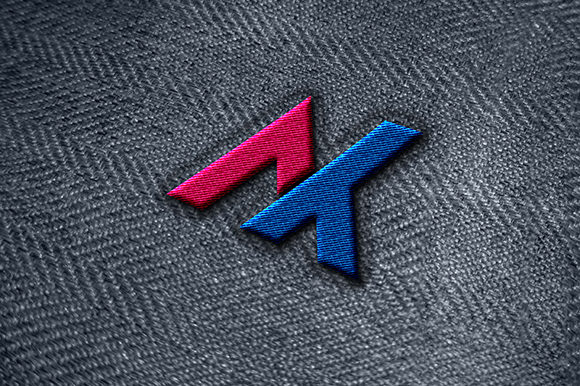
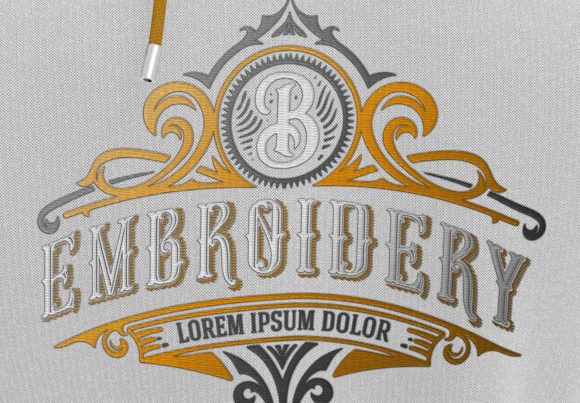
The first thing I noticed about Embroidery Effect Mockup is the overall texture and fabric feel it simulates. The mockup does a solid job of suggesting how a stitched logo will sit on a t-shirt surface. It creates a clean, professional mood that feels appropriate for both a small shop product and a client-facing branding presentation. The ability to change the texture color is a worthwhile feature — it lets you preview how the same design will look on different fabric backgrounds without restitching.
That said, the mockup leans toward a slightly idealized version of embroidery. The stitches appear smoother and more uniform than what most single-needle or even commercial machines produce on medium-weight cotton. For a quick idea, it is useful. For final production decisions, it is a starting point, not a guarantee.
The layout and visual personality of Embroidery Effect Mockup feel best suited to simple logos, monograms, and moderate detail. If you are working with a clean wordmark or a shape that does not rely on ultra-fine lines, this mockup will give you a fair sense of the final result. For dense, highly detailed designs, the preview may oversell the stitch clarity.
Real-World Embroidery Performance: Putting the Mockup to Work
I used Embroidery Effect Mockup to prepare a custom embroidered tote bag for a local coffee shop that wanted their logo stitched on canvas. The mockup gave me a quick read on how the logo would scale and how the thread colors would interact with the bag’s natural fabric texture. Changing the texture color helped me compare how the same design would look on cream, charcoal, and olive backgrounds — useful information before cutting stabilizer and thread.
For a sweatshirt embroidery project — a personalized gift for a holiday order — the mockup helped me communicate with the customer about placement and color contrast. They could see the logo on a mockup t-shirt and visualize it on a crewneck. That kind of trust-building is valuable for any Etsy seller or small shop product creator. The mockup also worked well for presenting a custom apparel design to a client who was unsure about stitch density and size.
On a baby embroidery project — a small onesie with a name and simple icon — Embroidery Effect Mockup helped me confirm that the lettering would fit within the available hoop size. I also used it to test a embroidered patch design before committing to a full run. In each case, the mockup served as a useful visual reference, but I always stitched a test sample on scrap fabric before moving to the final product.
Where This Mockup Needs Extra Care During Stitching
No mockup is perfect, and Embroidery Effect Mockup has limitations that experienced embroiderers will notice. If you plan to use this design preview for products that go into small hoop sizes — think caps, baby clothes, or curved surfaces like a tote bag’s gusset — be aware that the mockup does not simulate how a design will distort on a curved or narrow area. I tested it on a cap and found that the preview did not account for the way a satin stitch compresses on a curved brim.
For textured fabrics like fleece, terry cloth, or thick sweatshirt material, the mockup’s smooth texture can be misleading. The actual stitchout may show gaps or uneven coverage that the digital preview smooths over. Similarly, stretchy fabric like jersey knit can cause stitch density issues that no mockup predicts. Always use proper stabilizer and test on a scrap piece before stitching on the final garment.
Dark fabric is another area where Embroidery Effect Mockup needs caution. Changing the texture color helps, but the mockup does not fully simulate how thread tension and underlay stitches behave on black or navy backgrounds. I recommend stitching a quick test in black and white mockup form — meaning stitch a small version on black fabric with white thread — to see if the design holds up. Also, check thread color contrast carefully. A design that looks clear on a light blue mockup may vanish on a dark hoodie.
For products that will be washed frequently — kitchen towels, baby blankets, pillow covers, or aprons — the mockup does not indicate how the design will hold up over time. Dense fill stitch areas may pucker or shrink after laundering. I always review the design’s stitch count and density before stitching items intended for heavy use.
Visual Appeal, Customer Trust, and Product Value
One area where Embroidery Effect Mockup genuinely helps is in building customer confidence. When you sell handmade product listings on Etsy or at craft fairs, a clear mockup shows the buyer exactly what they are getting. It elevates the perceived value of your personalized gift or small shop product. The mockup makes your design assets look professional and ready to stitch, which can increase buyer engagement and reduce returns or misunderstandings.
I have used this mockup to present commercial embroidery proposals for corporate gifts and wedding gifts. In each case, the client appreciated seeing a realistic preview of the logo on a t-shirt or tote bag. The mockup’s ability to change texture color also let me show multiple fabric options without creating separate files. That kind of flexibility is useful for digital product sellers who offer printable mockup options in their shops.
However, brand consistency depends on using the mockup as a guide, not a promise. I have seen other designers rely too heavily on a polished mockup and then deliver a finished product that looks different because they skipped testing. The mockup is a tool for communication and visualization, but the actual stitchout is what matters to the customer.
Practical Designer Notes Before You Use This Design
Before you commit Embroidery Effect Mockup to a paying project, take a few steps that every experienced embroiderer learns the hard way. First, test the design on scrap fabric that matches your final material. Check the hoop size requirements and confirm that your machine can handle the design’s dimensions. If the mockup does not list exact embroidery file formats or stitch count, reach out to the seller or download a test file if available.
Second, review small details carefully. If your logo has tiny lettering or narrow elements, examine how they read in the mockup and then test them in thread. Running stitch lines that look fine on screen may become too thin or break during stitching. Consider whether the design uses applique design elements, satin stitch borders, or fill stitch areas that could shift on stretchy or textured fabric.
Third, compare the mockup on both light and dark fabric backgrounds. Change the texture color in the mockup to simulate different base materials. This is especially important if you create boutique branding for clients who want a consistent look across multiple garment colors.
Fourth, confirm licensing before you sell any finished product or use the mockup for commercial embroidery. If the mockup is part of a Branding Identity Mockups set or Graphics collection, check whether it permits resale of physical items, digital products, or both. I always read the license terms before stitching items for craft business inventory or Etsy seller orders.
Finally, use the mockup as part of your workflow but never skip the real stitch test. I learned this early in my career when a design that looked perfect on screen turned into a tangled mess on a sweatshirt because I did not account for fabric stretch. Embroidery Effect Mockup is a valuable asset for previewing, presenting, and planning, but the needle and thread are the ultimate judges.
For apparel decorators, handmade shop owners, creative entrepreneurs, and makers who want to deliver quality machine embroidery design work, this mockup earns a place in your toolkit — as long as you treat it as a guide, not a guarantee. It saves time in client communication, helps with color and placement decisions, and adds a professional layer to your digital embroidery file presentations. Just remember to test, review stitch density, and always change that texture color to match your real fabric. That is where the mockup’s real value lives.