Mockup of a Window: A Designer's Seasonal Review
As an embroidery designer who spends countless hours evaluating machine embroidery designs for seasonal collections, I approach every new file with a critical eye and a practical mind. When I first opened Mockup of a Window, I knew immediately this was a design worth serious consideration for holiday and home decor product lines. The initial impression is one of warmth and invitation, a quality that translates beautifully across multiple seasons and celebrations. Let me walk through what makes this embroidery design stand out and how you can use it effectively in your own small shop product offerings.
First Impressions: Seasonal Mood and Emotional Tone
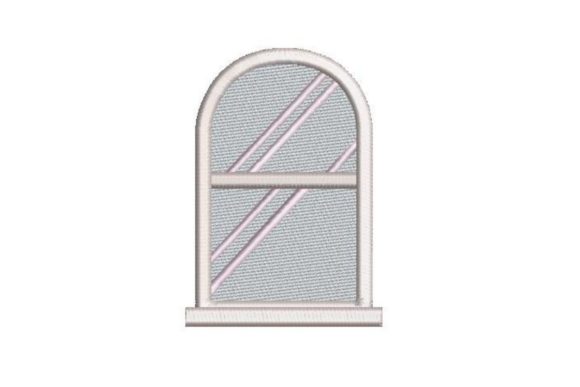
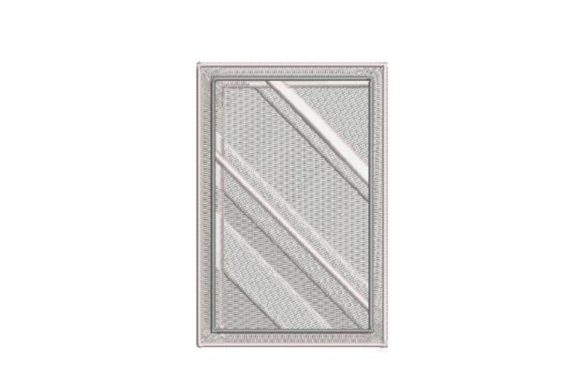
Mockup of a Window carries a distinctly cozy and nostalgic feel. The imagery of a window naturally evokes thoughts of looking inward to warmth or outward to changing seasons. This emotional resonance is exactly what drives purchasing decisions during holiday shopping periods. Buyers are not just buying a product; they are buying a feeling of home, family, and tradition. The decorative style here strikes a careful balance between detailed and accessible. It does not overwhelm with excessive layers, yet it offers enough visual interest to feel premium and intentional.
The design feels versatile enough to shift between rustic farmhouse aesthetics and more elegant, refined presentations. Depending on your choice of thread colors and fabric, you can make it feel festive for Christmas, romantic for Valentine's Day, fresh for spring, or grateful for Thanksgiving. This adaptability is rare in many embroidery files, and it makes Mockup of a Window a strong candidate for a year-round staple in your digital embroidery file inventory.
How Mockup of a Window Performs in Real Holiday Selling Situations
When I evaluate a machine embroidery design for seasonal use, I always think about where it will appear in real selling environments. Mockup of a Window excels across a wide range of finished products. Here are some of the most effective applications I see:
- Sweatshirt embroidery – The design sits beautifully on the front or back of a cozy sweatshirt. It reads well at a distance and invites closer inspection. This is a strong candidate for limited edition apparel drops during the holiday season.
- Tote bag design – A tote bag featuring this window motif becomes a giftable item itself. Shoppers love bags that feel handmade and thoughtful, and this design delivers that handmade touch.
- Kitchen towel embroidery – For house home decor, kitchen towels are a staple. The window imagery fits perfectly on a towel end, adding charm without interfering with function.
- Pillow cover – A seasonal pillow with this design becomes an instant conversation piece. It works in layered vignettes on sofas, beds, and entryway benches.
- Embroidered patch – If you offer patch versions, this design translates well to iron-on or sew-on patches for jackets, backpacks, or gift wraps.
- Ornaments and baby items – Scaled down appropriately, the design can appear on Christmas ornaments or baby blankets, opening additional market segments.
For Etsy sellers and small shop product creators, Mockup of a Window supports strong printable mockup visuals. You can showcase the design on different fabric textures and product shapes without stitching everything first. This saves time and allows you to test customer interest before committing to inventory. Social media previews featuring the design on neutral linen or creamy cotton generate high engagement because the image feels aspirational yet achievable.
Where to Use This Embroidery Design Carefully
Even the best machine embroidery design has limitations, and responsible designers must communicate these to buyers. Mockup of a Window has lovely features, but certain applications require extra attention. I recommend caution in these areas:
- Small hoop sizes – If you plan to stitch this design in a very small hoop, check that the details remain legible. Some elements may need scaling adjustments to avoid losing definition.
- Tiny lettering – The design does not appear to rely heavily on small text, but if you are combining it with lettering, test the stitch density first. Tiny letters can become messy on textured fabrics.
- Layered details – The window frame, glass reflections, and surrounding elements require careful thread color selection. Dark fabric may obscure subtle shading, so consider a lighter fabric base or use contrasting thread colors.
- Thick towels – Terry cloth and thick kitchen towels demand proper stabilizer and possibly a floating method. The design's stitch density should be reviewed to avoid puckering on plush fabrics.
- Metallic thread – If you plan to use metallic thread for a festive effect, reduce the machine speed and use a top stitch needle. Metallic thread can be temperamental with dense designs.
- Stretchy garments – Sweatshirt fabrics and knits require a cutaway stabilizer and careful hooping. Test the design on a fabric scrap before committing to a finished garment.
- Curved caps – This design is better suited to flat or gently curved surfaces. Cap frames may distort the window shape if not carefully aligned.
- Items needing repeated washing – For kitchen towels, aprons, and baby items that will be washed frequently, ensure the thread colors are colorfast and the stabilizer is fully removed from the back to prevent fraying.
How Mockup of a Window Affects Seasonal Appeal and Buyer Psychology
During the holiday shopping period, customers are looking for products that feel personal, giftable, and visually trustworthy. Mockup of a Window directly supports these desires. The design's seasonal embroidery potential is clear: it suggests looking forward to gatherings, snow scenes, or spring renewal depending on your thread palette and fabric choice. This flexibility increases its giftability because buyers can imagine it fitting into their specific traditions.
Buyer emotion is heavily influenced by visual recognition. A window is universally understood as a symbol of home, hope, and transition. When a shopper sees this design on a pillow or tote, they feel an immediate connection to comfort and warmth. This emotional hook is powerful in a crowded marketplace where hundreds of embroidery designs compete for attention.
Product value increases when a design feels thoughtful and complete. Mockup of a Window does not look like an afterthought. It looks intentional, which translates to higher perceived value. Customers are more willing to pay premium prices for finished products that feature a design they cannot easily replicate themselves. For handmade gift makers, this means you can charge accordingly and maintain healthy margins during peak seasons.
Customer trust builds when your seasonal collection feels cohesive. If every design in your shop has a similar aesthetic quality, buyers begin to recognize your brand. Brand consistency is hard to achieve with an inconsistent design library. Adding Mockup of a Window to your collection can anchor your house home category with a reliable, repeatable motif that customers will seek out year after year.
Engagement during holiday shopping is often driven by visual storytelling. Use this design to create lifestyle photos: a window embroidery on a kitchen towel hanging near a real window, or a pillow on a porch swing. These images perform well in Etsy listings and on social media because they feel authentic and aspirational.
Practical Embroidery Designer Notes for Seasonal Success
Before you add Mockup of a Window to your seasonal product lineup, here are the practical steps I recommend every embroidery file buyer and commercial embroidery user should take:
- Test thread colors on both light and dark fabric – The same design reads very differently on white linen versus navy cotton. Create test stitches on both extremes and photograph them for your listings.
- Check stitch density – While the design promises a beautiful stitch out, always review the stitch count and density in your software. Dense areas may need a smaller hoop or a slower machine speed to prevent thread breaks.
- Confirm hoop size – Verify that the design fits your available hoop sizes without exceeding recommended margins. Mockup of a Window may come in specific dimensions; confirm these before promising a finished size to customers.
- Use proper stabilizer – For most home decor items, a medium-weight tearaway stabilizer works well. For stretchy garments, switch to cutaway. For towels, use a water-soluble topping to keep the design crisp.
- Create realistic mockups – Use a printable mockup service or your own photography to show the design on actual products. Customers respond best to images that show scale, texture, and context.
- Review small details after stitching – Every design has elements that look perfect on screen but may appear different in thread. Examine your test stitch closely for gaps, overlapping, or loose stitches that need editing.
- Plan matching color palettes – Create 3-4 coordinated thread palettes for different seasons: a winter palette with icy blues and silver, a fall palette with rust and gold, a spring palette with soft greens and pinks, and a neutral palette for everyday home decor.
- Confirm commercial licensing – Before selling finished seasonal products, ensure your digital embroidery file license permits commercial use. Each designer has different terms, and respecting these protects your business and your reputation.
Final Thoughts on Adding Mockup of a Window to Your Seasonal Collection
As an experienced embroiderer who has reviewed hundreds of machine embroidery designs, I can confidently say Mockup of a Window is a strong addition to any seasonal or holiday product lineup. Its emotional warmth, versatile aesthetic, and broad product compatibility make it suitable for Etsy seller shops, craft fair displays, and limited edition apparel drops. Whether you are creating personalized gift items for individual customers or building a wholesale collection for home decor retailers, this design offers the visual depth and practical reliability that busy makers need.
The key to success with this embroidery design is thoughtful application. Pair it with appropriate fabric textures, test your stabilizer choices, and invest time in creating realistic product mockups that show customers exactly what they are buying. When you do, Mockup of a Window will not just stitch out beautifully on your machine; it will stitch out beautifully in your sales numbers as well.