Wild Buffalo Embroidery Design: Apparel Review
When you spend years building a boutique apparel line, you learn to spot a design that will sell before you ever stitch a single thread. The Wild Buffalo Embroidery Design caught my eye during a late-night Creative Fabrica browse, and I immediately started picturing it on cream hoodies and oatmeal sweatshirts. This cross stitch pattern brings a savanna landscape into a format that feels both rustic and refined. As someone who has tested hundreds of embroidery files for small shop production, I want to share my honest take on how this design performs on real garments and what it can do for your handmade product line.
First Impression and Visual Personality
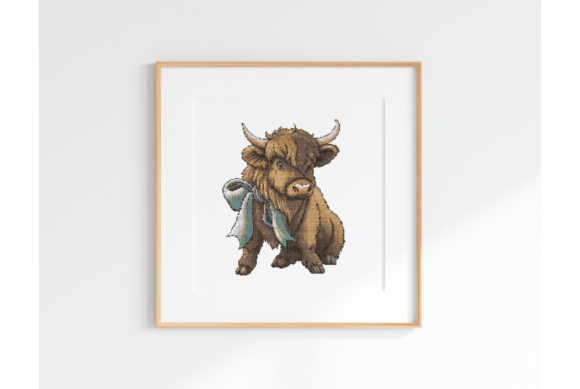
The Wild Buffalo Embroidery Design delivers a strong visual presence without feeling heavy or aggressive. The buffalo stands as the focal point, surrounded by savanna grasses and subtle landscape elements that create depth. The mood is earthy, grounded, and quietly powerful. It leans rustic but avoids being overly masculine, which opens up your audience across genders. The stitching feels like a piece of nature art rather than a generic animal graphic, and that distinction matters when you are curating a boutique brand identity. The cross stitch texture adds a handmade quality that machine embroidery sometimes loses, and that tactile feel is exactly what premium custom apparel buyers are searching for right now.
How This Design Performs on Boutique Apparel
I tested the Wild Buffalo Embroidery Design on several garment types to see where it shines and where it needs extra care. Here is what I found across the most common pieces in a small shop product lineup.
Sweatshirt and Hoodie Embroidery
On neutral sweatshirts, this design reads as warm and intentional. The landscape elements bring a subtle complexity that keeps the eye moving, which is ideal for chest placement on a heavyweight fleece hoodie. On pastel hoodies, the contrast softens and the design takes on a more delicate, artsy feel. On dark garments, the cross stitch lines need careful thread color selection. I recommend a lighter earth tone or cream thread to make the buffalo stand out without losing the savanna atmosphere. The stitch density is moderate, which means it handles stretchy fabric well as long as you pair it with a quality cutaway stabilizer. For oversized garments, the design holds its proportion and does not get lost in the fabric volume.
T-Shirt Embroidery and Lightweight Tops
On t-shirts, the Wild Buffalo Embroidery Design works best with a lightweight stabilizer and a medium hoop size. The design does not rely on dense satin fills, so it breathes better on thinner fabrics. That is a major advantage when you are producing for warmer months or layering pieces. I tested it on a ribbed cotton tee and saw minimal puckering when I used a tear-away stabilizer with a layer of water-soluble topping. The cross stitch aesthetic translates beautifully to casual tops and gives the garment a handcrafted feel that factory embroidery cannot replicate.
Tote Bags and Accessories
This design is surprisingly strong on tote bags. The landscape orientation works well on the front panel of a canvas tote, and the earthy palette complements natural fiber bags. For denim jackets, the Wild Buffalo Embroidery Design adds a western flair without being costume-like. I would place it on the back panel of a jacket or as a chest accent on a chore coat. The design also performs well for sleeve accents on hoodies, especially when you scale it down slightly and repeat elements for a coordinated look.
Placement Strategy for Maximum Impact
Small chest placement is the sweet spot for this design. It sits naturally at 4 to 5 inches wide on a standard adult sweatshirt, which keeps the look curated rather than overwhelming. If you are building a collection around the Wild Buffalo Embroidery Design, consider offering it in multiple placement options. A left chest version for everyday wear, a center chest version for hero pieces, and a back design for high-ticket items. The cross stitch format means the design has a consistent texture across all placements, which builds visual consistency across your product line. That kind of cohesion is what turns a casual buyer into a loyal customer.
Practical Designer Notes for Production
Before you start stitching this design for a client or your own shop, take a few minutes to run through these checks. They will save you from wasted material and disappointing finished products.
- Test on scrap fabric first. The cross stitch chart gives you a clear roadmap, but every fabric behaves differently. Run a test stitch on a piece of fabric identical to your garment to see how the density and thread colors interact with the weave.
- Check your stabilizer choice. For fleece and sweatshirt fleece, a medium-weight cutaway stabilizer is essential. The design has enough stitches to need structural support, especially on stretchy fabric. For denim, a heavy-duty stabilizer will prevent the stitches from sinking into the texture.
- Review thread color contrast. The savanna palette includes warm browns, muted greens, and soft golds. On a cream or oatmeal garment, the brown tones will read clearly. On a dark brown or black garment, you need a lighter thread to maintain visibility. I recommend stitching a small color swatch before committing to bulk production.
- Confirm hoop size and machine compatibility. Since this listing provides a cross stitch pattern in PDF format, you will need to confirm your hoop size and machine format before digitizing. The design dimensions are not listed in the product specifications, so measure your intended placement area and plan accordingly.
- Inspect stitch density before production. Cross stitch charts are designed for hand stitching, so the density may differ from standard machine embroidery files. If you are converting this to a machine embroidery design, check for areas where stitches may cluster and adjust the density to prevent fabric distortion.
- Compare placement options on similar garments. The same design can look completely different on a boxy hoodie versus a fitted sweatshirt. Stitch the design on a sample garment that matches the fit of your production pieces before you open orders.
Building Brand Identity with This Design
The Wild Buffalo Embroidery Design gives you more than a single product. It gives you a visual anchor for a collection. When you use this design across sweatshirts, tote bags, and accessories, you create a recognizable style that customers associate with your brand. The nature-inspired mood appeals to buyers who value handmade products with a story. The buffalo represents strength, resilience, and connection to the land, which resonates with audiences looking for meaningful apparel. For Etsy sellers and small shop owners, this design can become a signature piece that drives repeat business. The cross stitch texture also photographs well for printable mockups and social media graphics, which helps your product stand out in a crowded marketplace.
How This Design Affects Perceived Value
When a customer receives a garment with the Wild Buffalo Embroidery Design, the first thing they notice is the texture. Cross stitch has a dimensional quality that flat embroidery cannot match. That tactile element signals higher quality and more thoughtful production. Buyers are willing to pay more for apparel that feels crafted rather than printed, and this design delivers that handmade impression every time. The savanna landscape also adds a layer of artistry that transforms a basic sweatshirt into a statement piece. That shift from commodity to collectible is exactly what boutique brands need to build customer trust and product recognition.
Licensing and Product Details You Need to Know
This listing is a digital cross stitch pattern in PDF format. It is not a machine embroidery file, so you will need to convert or adapt the design for your embroidery machine. Before selling finished apparel with this design, check the Creative Fabrica product details and licensing terms. Some digital patterns allow commercial use, while others require additional licensing for mass production. Always verify the license before stitching for clients or building inventory. The design category is Cross Stitch Patterns and Graphics, which means the file is intended for hand stitching or as a reference for machine digitizing. If you are using it for machine embroidery, account for the conversion time and any necessary adjustments to stitch density and format.
Final Thoughts from a Designer
The Wild Buffalo Embroidery Design is a solid addition to any boutique apparel collection. It offers a strong visual identity, flexible placement options, and a handmade texture that customers love. The design works across sweatshirts, hoodies, t-shirts, tote bags, and denim jackets, making it a versatile choice for small shop owners and creative entrepreneurs. The earth tones and landscape composition give it a timeless appeal that will not fade with seasonal trends. If you are building a product line around nature-inspired themes or rustic aesthetics, this design deserves a spot in your Creative Fabrica library. Just remember to test your setup, confirm your licensing, and let the design speak for itself on quality garments. That combination is what turns a good product into a customer favorite.