Butterfly Cross Stitch Pattern: A Business-Ready Design Review
When I first opened the Butterfly Cross Stitch Pattern from the product description titled "Watercolor Butterfly Cross Stitch Pattern – Modern Moth Embroidery Chart Digital PDF," I immediately recognized its potential for small business merchandise. As an embroidery designer who has reviewed countless patterns for branded patches, custom apparel, and product labels, I look for designs that balance visual appeal with production practicality. This pattern, with its watercolor-inspired aesthetic and modern moth silhouette, presents a compelling option for businesses seeking a handmade yet professional look. In this review, I will evaluate how Butterfly Cross Stitch Pattern performs in real business use, from embroidered patches to cap embroidery, and provide practical notes for embroidery professionals.
First Impressions: Professional Charm Meets Handmade Appeal
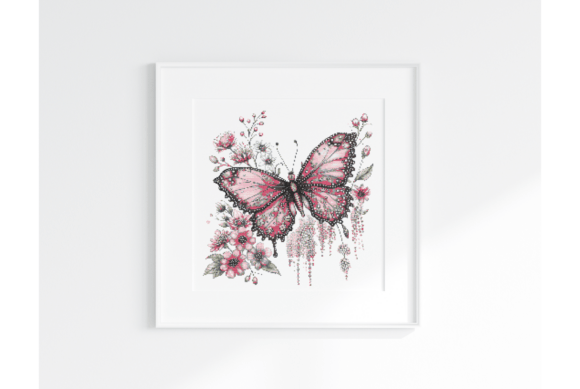
The Butterfly Cross Stitch Pattern evokes a sense of elegance and artistry. The watercolor effect suggests soft color transitions and a painterly quality, which can elevate a brand's visual identity. This design feels both modern and classic, making it suitable for a range of businesses—from a florist's apron to a boutique's tote bag. The pattern does not appear overly bold or rustic; instead, it leans toward a premium, handmade presentation. For small business owners, this translates to a design that can convey quality and attention to detail, two pillars of strong brand identity.
However, the watercolor style may require careful thread color selection to maintain the gradient effect in embroidery. In cross stitch, achieving a watercolor look often involves blending thread shades or using variegated floss. This is doable but demands a higher stitch density and precise planning. For an embroidered patch, the design must hold up visually at a small scale, and the Butterfly Cross Stitch Pattern seems to offer enough contrast and shape definition to succeed. I recommend testing the pattern in black and white first to check its silhouette clarity before committing to color threads.
Embroidered Patches and Apparel Accents
For small business merchandise like embroidered patches, the Butterfly Cross Stitch Pattern works well as a logo accent or decorative element. The moth motif is trendy and appeals to brands in the handmade, botanical, or vintage space. On a cap or a work shirt, the pattern can serve as a chest logo or sleeve detail. I have seen similar designs succeed on aprons for coffee shops and bakeries, where the handmade feel of cross stitch reinforces an artisanal vibe. The pattern's medium size—likely fitting a 4 to 6 inch hoop—makes it versatile for tote bags, caps, and uniform pockets.
Cap Embroidery and Tote Bag Designs
Cap embroidery requires designs that curve well and maintain legibility at the front crown. The Butterfly Cross Stitch Pattern, with its organic moth shape, can adapt to curved surfaces if the design is digitized properly. For a tote bag, the pattern can be a focal point or a repeated motif for a cohesive look. I advise small business owners to create a printable mockup first to see how the design aligns with their product dimensions. The watercolor aspect may need extra stabilizer to prevent fabric texture from distorting the stitches, especially on thicker tote bag materials.
Product Packaging and Branded Add-Ons
Beyond apparel, this pattern can be used on product packaging accents or as a decorative element in customer gifts. For an Etsy seller, the Butterfly Cross Stitch Pattern can become a signature design asset across multiple products—from tags to embroidery files sold to other crafters. The digital embroidery file format (if available) would allow for easy scaling and production. Since the listing specifies a PDF pattern, ensure the file is compatible with your embroidery machine or consider converting it to a machine embroidery design file for commercial use.
Where to Use This Design and Where to Be Cautious
The Butterfly Cross Stitch Pattern is best suited for medium to large surfaces where the detail can shine. Here are specific use cases and caution points:
- Best for: Aprons, tote bags, work shirts with flat fronts, large patch areas, and boutique merchandise where the handmade look is valued.
- Use with caution on: Small patch sizes under 3 inches, cap fronts with extreme curvature, items with textured fabric like fleece or heavy denim, and products that require frequent washing without proper stabilizer.
- Stitch density considerations: The watercolor effect may create areas of high stitch density, which can stiffen the fabric. Test on a sample first to ensure comfort and durability.
- Thread color contrast: Light thread colors may get lost on dark uniforms. Always review the contrast between thread and base fabric before production.
For items like cap embroidery, keep the design simple and avoid tiny lettering if the pattern includes any text. The Butterfly Cross Stitch Pattern appears to focus on the moth silhouette, which is a positive for scalability. If the design has fine details, consider resizing it larger to preserve stitch integrity.
Brand Identity and Customer Perception
The Butterfly Cross Stitch Pattern can significantly impact a small business's brand identity. It communicates creativity, patience, and a commitment to handmade quality—qualities that resonate with customers seeking authentic products. For a café, a butterfly motif on aprons and staff uniforms can create a cohesive, memorable visual story. For a florist or plant shop, the pattern reinforces the natural theme. The use of cross stitch in branding is unique and can differentiate a business from competitors who rely on standard logo embroidery.
Customer trust and recognition grow when a brand consistently uses a signature design across its merchandise. The Butterfly Cross Stitch Pattern, when executed well, adds perceived value to products. Buyers often associate handmade details with higher quality and care, which can justify premium pricing. For Etsy sellers and craft business owners, offering products with this pattern as a design asset can increase buyer engagement and loyalty. The pattern's modern yet classic look ensures it will age well visually, avoiding trends that quickly fade.
From a commercial embroidery perspective, maintaining visual consistency across different products is key. Use the same thread palette and stitch type for all items featuring the Butterfly Cross Stitch Pattern. This creates a unified brand identity that customers will recognize instantly.
Practical Embroidery Designer Notes Before Production
Before you commit to mass production, here are essential steps to follow, based on my experience with similar patterns:
- Test in black and white first: Print the pattern in grayscale to see if the design is clear without color. This reveals any issues with shape definition that might get lost in embroidery.
- Check scale at small patch size: Reduce the pattern to the size you intend to use (e.g., 3 inches) and evaluate readability. The Butterfly Cross Stitch Pattern may need adjustments if details become too tight.
- Review thread color contrast: Select threads that match the watercolor effect. Use light to medium shades for the moth body and darker outlines for definition. Avoid colors that blend into the fabric.
- Inspect spacing and stitch count: Ensure there is adequate background space so stitches don't crowd each other. High stitch density can cause puckering, especially on stretchy fabrics.
- Confirm hoop size and stabilizer: For a 5x7 hoop or larger, use cut-away stabilizer for patches and tear-away for stable fabrics like cotton. For tote bags, a medium-weight stabilizer prevents distortion.
- Test on real fabric: Always run a sample on the exact fabric you will use. Fabric texture can change how the cross stitch appears—rough materials might hide fine details.
- Create a mockup for client approval: Before producing in bulk, use a printable mockup to show the client how the design looks on the product. This saves time and avoids costly revisions.
- Compare beside other design assets: Place the Butterfly Cross Stitch Pattern next to your logo or other branding elements to ensure harmony. Consistency across all design assets strengthens brand identity.
- Confirm commercial licensing: Since the listing is a digital PDF, verify that the license allows commercial use for merchandise. If the terms are unclear, contact the designer before proceeding with embroidery.
These steps will help you avoid common pitfalls like misshapen patches or thread breakage. As an embroidery designer, I always emphasize that a well-tested pattern leads to a finished product that meets both quality standards and customer expectations.
Final Thoughts on Butterfly Cross Stitch Pattern for Business Use
The Butterfly Cross Stitch Pattern offers small business owners a versatile design asset for branded merchandise. Its watercolor aesthetic and modern moth silhouette provide a distinctive look that can enhance custom apparel, patches, and product packaging. While the pattern requires careful planning in thread selection and stabilization, its potential for creating a cohesive brand identity is strong. For embroidery shops and Etsy sellers, this pattern can serve as a signature element across multiple products, from cap embroidery to tote bag designs. Always test the design thoroughly before commercial production, and ensure the licensing aligns with your business needs. With proper execution, the Butterfly Cross Stitch Pattern can elevate your small business merch and leave a lasting impression on customers.