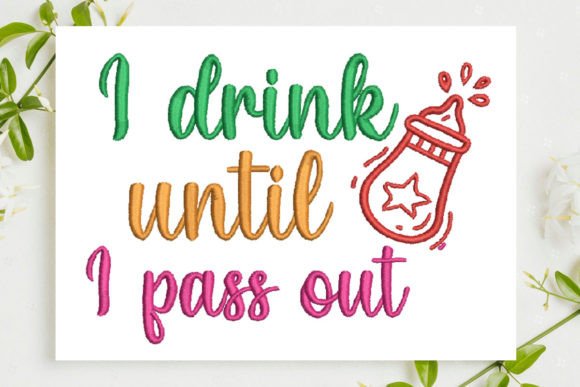
New Years Lettering: Design Review for Business Merch
When I first opened the New Years Lettering machine embroidery design, I immediately appreciated its clean structure and balanced proportions. As someone who has reviewed hundreds of embroidery files for small business merchandise, I know that a design needs to work across multiple applications, not just look good in preview mode. This digital embroidery file promises versatility, and after examining it closely, I am confident it deserves a serious look from any embroidery shop, handmade brand, or apparel decorator planning branded merchandise for the coming year.
The design carries a refined, festive energy without feeling overly seasonal. That is a crucial distinction for business use. A café or boutique investing in custom apparel cannot justify a design that only works for two weeks in December. New Years Lettering leans into celebratory style while maintaining a classic, professional silhouette that can carry through winter promotions, holiday markets, and even early spring launches. The lettering suggests motion and optimism, which aligns well with brand identity for businesses looking to signal fresh starts or limited edition releases.
First Impressions: Professional Polish with Handmade Warmth
My immediate reaction to New Years Lettering was that it sits in a sweet spot between premium finish and handmade character. The strokes feel deliberate, not rushed. The spacing between letters appears consistent enough for small-scale reading, yet retains a crafted personality that customers love on embroidered patch applications and apron embroidery. This is not a stiff corporate font. It reads like a design made for real products, not just screen previews.
For an Etsy seller or small business owner looking to create custom apparel that stands out, this design offers immediate visual appeal. It does not rely on excessive ornamentation. Instead, it uses thoughtful letterforms that hold up in machine embroidery design formats. The multiple file formats included mean you can move from digitizing software to production without compatibility headaches, which is a practical relief when managing multiple client orders.
Real Business Use: Across Patches, Uniforms, and Branded Add-Ons
I evaluated New Years Lettering across several common business merchandise scenarios. Here is how it performs in real production environments:
- Embroidered patches: This design works exceptionally well as a patch. The lettering density allows for clean edge finishing without distorting the text. For a local florist or bakery creating limited run patches, this design delivers a polished look that feels substantial on fabric texture like twill or cotton canvas.
- Cap embroidery: Curved surfaces demand flexible lettering. New Years Lettering compresses reasonably well on cap fronts, especially if you size it appropriately. The letter spacing helps prevent distortion on the crown curve.
- Tote bag design: On a simple canvas tote, this design becomes a quiet statement piece. It does not overwhelm the bag shape and reads clearly from a few feet away, which matters for retail display and customer visibility.
- Apron embroidery: For café or studio aprons, the design works as a chest accent or pocket logo. It adds a professional touch without competing with the garment function.
- Staff uniforms and work shirts: Uniform consistency benefits from lettering that reproduces reliably across sizes. New Years Lettering maintains its character from small chest logos to larger back designs.
- Product packaging accents: While not an embroidery application, the design can inspire printable mockups or heat transfer labels that complement stitched versions, creating cohesive brand identity across touchpoints.
For small business merch creators, this design supports both one-off custom orders and small batch production runs. The versatility means you can offer clients multiple placement options without needing to re-digitize.
Where Caution Matters: Size Limits, Fabric Choices, and Placement
No design is perfect for every surface, and New Years Lettering has specific considerations that every embroiderer and business owner should evaluate before production.
Small Patch Sizes and Tiny Lettering
If you intend to use this design on very small patches or as a micro logo on cuffs or collars, test it first at reduced scale. The lettering relies on open counters and balanced stroke widths. Shrinking below a certain threshold may cause the thinner elements to lose definition, especially on textured fabric. I recommend a minimum height of roughly half an inch for readable results on most garment fabrics.
Cap Fronts and Curved Surfaces
While the design adapts to cap fronts, extremely tight curves or very structured caps may cause the lettering to distort. Always hoop a test cap and review the stitch out before committing to a bulk order. Use a firm stabilizer to support the stitch density on curved areas.
High Stitch Density Areas
The design appears to have moderate stitch density, but any lettering with decorative elements can become dense in small zones. Check the actual stitch count in your embroidery file before stitching on lightweight fabrics. High density on thin material may cause puckering or show through to the back side.
Dark Uniforms and Contrast
For dark fabric, ensure your thread colors provide enough contrast. The design lettering can be stitched in metallic, neon, or high-contrast threads, but test a sample on identical fabric to confirm readability. White or light thread on dark navy or black uniforms works well if the lettering is sized appropriately.
Frequent Washing Items
Items like aprons, work shirts, and tote bags endure repeated washing. New Years Lettering uses connected letterforms that should hold up if you use quality stabilizer and proper tension. However, always communicate care instructions to your clients to preserve the stitch integrity over time.
Brand Identity, Customer Trust, and Perceived Value
Investing in machine embroidery design for a small business is about more than decoration. Every stitched element communicates something about the brand. New Years Lettering projects a sense of intention and quality. When a customer sees a well-stitched patch or uniform detail, they associate that precision with the product or service behind it.
For a handmade brand or creative studio, this design reinforces a professional yet approachable identity. It does not feel mass-produced. It feels like someone cared about the detail. That perception directly affects customer trust and willingness to pay a premium for finished product goods.
Businesses using New Years Lettering on merchandise also benefit from visual consistency across their collateral. Whether it appears on a cap, a tote, or an apron, the design becomes a recognizable mark. Over time, that repetition builds brand recognition. For an Etsy seller or local boutique, this consistency is a low-cost way to elevate product value without overhauling packaging or signage.
Embroidery Designer Notes: Practical Production Advice
Before you stitch New Years Lettering for a client, here are the production checks I run on any digital embroidery file entering commercial use:
- Test in black and white first. Stitch a monochrome sample to evaluate letter spacing, density, and alignment before introducing multiple thread colors. This reveals structural issues without wasting thread.
- Check it at small patch size. If your client wants a pocket logo or sleeve detail, test at the intended size. Confirm the lettering remains legible and the strokes do not merge.
- Review thread color contrast. Place the design on actual fabric samples. Screen previews lie. Real fabric texture changes how colors read.
- Inspect spacing and kerning. Look for areas where letters touch or gaps look uneven. Minor adjustments in your software can prevent production regrets.
- Confirm hoop size compatibility. Verify that the design fits your available hoops without excessive rehooping. Multiple placements may require different hoops for efficiency.
- Test on real fabric. Stitch onto the exact material your client plans to use. Cotton, polyester, canvas, and performance fabrics each behave differently.
- Use proper stabilizer. For patches, use cutaway stabilizer. For caps, use cap-specific backing. For aprons, consider water-soluble topping for clean lettering.
- Create a mockup for client approval. Before stitching production quantities, produce a sample and photograph it on the actual garment or product. Let the client see the finished product before committing.
- Compare it beside other design assets. Ensure New Years Lettering harmonizes with any existing logos, fonts, or graphics the business uses. Consistent brand identity matters across all merchandise.
- Confirm commercial licensing. Review the license terms for this machine embroidery design before using it for client work or resale. If terms are unclear, contact the seller to confirm commercial use rights.
These steps may sound meticulous, but they separate professional embroidery shops and product designers from hobbyists. Clients pay for reliability, and thorough testing delivers that.
Final Verdict: A Smart Addition to Your Design Assets
New Years Lettering earns a strong recommendation from my side for small business merchandise, branded patches, and custom apparel projects. It offers the visual personality that handmade brands and local businesses need, combined with production characteristics that experienced embroiderers can trust. The design performs well across multiple applications, from embroidered patch runs to cap embroidery and tote bag design.
The thoughtful lettering construction means fewer surprises during stitching, and the multiple file formats reduce setup friction. For any embroidery shop, Etsy seller, or apparel decorator looking to offer clients a design that feels both festive and enduring, New Years Lettering is a smart investment. It will earn its place in your design assets folder and produce merchandise that customers actually want to wear and carry.
Whether you are stitching for a café, a boutique, a florist, a pet brand, or a creative studio, this design delivers the kind of polished, intentional look that builds brand identity and customer loyalty. That is exactly what small business merchandise should do.