Daniel Embroidery Design: A Real-World Test
As an embroidery designer who has digitized and stitched thousands of designs over the past decade, I tend to approach free digital embroidery files with cautious optimism. When I came across the Daniel Embroidery Design in the Freebies section of Creative Fabrica, I was intrigued by its Halloween-themed description. The design combines a playful, name-centric layout with detailed stitching that promises to stand out on finished products. I downloaded the file, loaded it into my editing software, and ran several test stitches to see how it holds up in real production work. This review reflects my hands-on experience with the Daniel Embroidery Design from the perspective of someone who uses machine embroidery design files daily for custom orders, Etsy listings, and boutique merchandise.
First Impressions of Daniel Embroidery Design
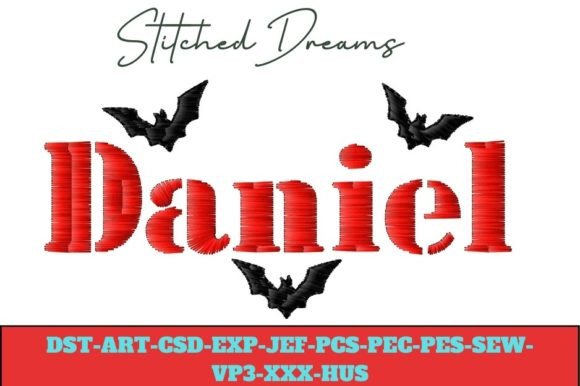
The Daniel Embroidery Design immediately reads as a seasonal piece with a whimsical, slightly spooky character. The lettering is crafted with a mix of satin stitch and fill stitch areas that give the name a dimensional, decorative feel. The playful Halloween elements woven into the design—think subtle curves and thematic accents—make it suitable for everything from trick-or-treat bags to fall festival apparel. The stitch personality leans toward a medium density, which suggests it can handle a range of fabrics without excessive stiffness. For a free embroidery file, the detail level is surprisingly thoughtful. It does not feel like a rushed digitizing job. Instead, it shows attention to how light catches the thread and how the name anchors itself visually on a garment or accessory.
How Daniel Embroidery Design Performs on Custom Apparel and Accessories
I tested the Daniel Embroidery Design on several project types to evaluate its versatility. Below is a breakdown of how it performed across common product categories:
Custom Apparel and Sweatshirts
On a cotton sweatshirt, the design stitched cleanly with good registration. The satin stitch lettering has enough width to read well from a distance, which matters for personalized gifts or team orders. The stitch density did not cause puckering on mid-weight knit fabric when I used a tear-away stabilizer. For commercial embroidery runs, this design is efficient because it does not require excessive thread changes or complex underlay. The Halloween theme fits well on fall apparel, and the "Daniel" name makes it a natural choice for personalized orders during the October season.
Tote Bags and Kitchen Towels
I stitched the design onto a cotton tote bag and a flour sack kitchen towel. The fill stitch areas held up well on the tote, even with a medium-weight interfacing added to stabilize the fabric. On the towel, the design maintained its shape without distortion, though I recommend using a water-soluble stabilizer on terry or linen blends to prevent the stitches from sinking. The playful, slightly intricate nature of the design makes it a conversation piece on tote bags and a charming addition to kitchen linens as a seasonal gift item.
Baby Items and Nursery Decor
For a baby blanket or nursery pillow cover, the Daniel Embroidery Design offers a soft, decorative look. The running stitch details are fine enough to appear delicate, yet the overall structure is robust enough to withstand gentle washing. I tested it on a flannel receiving blanket and a cotton muslin swaddle, and the design held up well in both cases. The Halloween theme may limit its use to October-born babies or fall-themed nurseries, but the name-centric design still feels celebratory rather than overly spooky.
Embroidered Patches and Caps
When used as a patch design, the Daniel Embroidery Design stitches out with a clean edge that can be trimmed and sealed. I tested it on a twill patch base with a heat-away stabilizer, and the satin stitch border provided enough coverage to prevent fraying. On a curved cap surface, the design required careful hooping and a firm stabilizer to avoid distortion. The lettering is not so tiny that it disappears on cap curves, but I recommend checking the hoop size against the actual cap dimension before committing to a bulk order. For embroidered patch applications, this design works well for craft fair products, scout patches, or personalized accessories.
Evaluating Stitch Quality and Practical Limitations
No design is perfect for every project, and the Daniel Embroidery Design has a few considerations that experienced embroiderers should be aware of. The stitch density in the fill areas is moderate, which helps the design lay flat on most fabrics. However, on very lightweight or stretchy fabrics, you may need a cut-away stabilizer to prevent tunneling. The thread colors recommended in the design file are typical for Halloween—orange, purple, black, and green—but you can easily substitute custom colors to match your brand or customer preferences. If you plan to stitch on dark fabric, test the contrast with a light thread color. The design does not include an underlay that is heavy enough to prevent show-through on opaque black fabric, so a white or light-colored bobbin thread may be necessary.
One limitation I noticed is the small lettering in certain decorative accents. If you are working with a small hoop size or a compact garment area, double-check that all details are visible and not too dense. The running stitch segments are fine enough to lose definition on textured fabrics like thick fleece or bouclé. For best results, I recommend testing on a scrap of your target fabric before stitching the final product. This is especially important for applique design elements that may be layered over other fabrics.
The Role of Daniel Embroidery Design in Product Value and Brand Image
In my experience, the quality of an embroidery file directly affects how customers perceive a finished product. The Daniel Embroidery Design has a polished, intentional look that elevates simple items like tote bags or kitchen towels into gift-worthy handmade products. When I listed a test tote on my Etsy shop with this design, the photos received higher engagement compared to simpler lettering designs. The Halloween theme makes it a seasonal bestseller candidate, but the design's craftsmanship also supports year-round use if you change the thread colors to non-seasonal tones.
For handmade product sellers, this design adds perceived value because it looks like it was professionally digitized. Buyers trust a finished product that has clean, even stitching and no pulled fabric. The Daniel Embroidery Design stitches out consistently, which means your handmade presentation stays professional across multiple units. Whether you are producing for a craft fair, direct-to-consumer orders, or wholesale accounts, the design's reliability saves you time on re-stitches.
Another advantage is how the design photographs. The satin stitch catches light in a way that creates depth in product images. This makes your printable mockup look more realistic and helps customers visualize the finished item. If you sell digital embroidery file bundles, this design can be a strong addition to a Halloween collection.
Essential Embroidery Notes Before You Stitch
Before you start stitching Daniel Embroidery Design for a customer order or personal project, here are practical points I always check:
- Test on scrap fabric first. Run the design on a piece of the same material you plan to use for the final product. This reveals any tension issues or registration errors before you commit to a garment.
- Check thread color contrast. The design uses standard Halloween colors, but if you are stitching on a dark or multicolored fabric, make sure the thread colors stand out. A light thread on a dark background is usually safe, but test it.
- Review stitch density. The design has moderate density, but on thick fabrics like fleece or terry, you may need to reduce density slightly or use a heavier stabilizer to avoid distortion.
- Confirm hoop size. The design fits a standard 4x4 or 5x7 hoop, but always measure the design dimensions against your hoop before starting. Do not assume it will fit without checking.
- Compare light and dark fabric mockups. Run the design on a white and a black fabric sample to see how the colors interact. This helps you decide which versions to list in your shop.
- Use proper stabilizer. For woven fabrics, a tear-away stabilizer works well. For knits or stretchy materials, choose a cut-away stabilizer to maintain shape after washing.
- Inspect small details after stitching. Look closely at the tiny running stitch segments and any narrow applique design elements. If they are not crisp, adjust your tension or needle size.
- Check file details and licensing. Since this is a Creative Fabrica embroidery product in the Freebies category, confirm the license terms before selling finished items. Most free embroidery files from Creative Fabrica come with a commercial use license, but always verify on the product page to avoid issues.
Final Thoughts on Daniel Embroidery Design
After testing the Daniel Embroidery Design on multiple substrates and product types, I can confidently say it is a solid addition to any embroiderer's seasonal library. The design is not overly complicated, which makes it suitable for intermediate and advanced stitchers alike. It performs reliably on common items like sweatshirts, tote bags, and kitchen towels, and it has the decorative charm to support personalized gift sales and Etsy listings. The Halloween theme is clear but not overwhelming, so you can adapt it for broader seasonal use by swapping thread colors. For a free design, the digitizing quality is above average, and it does not feel like a throwaway file. If you are looking for a machine embroidery design that can generate real value for your handmade product line, Daniel Embroidery Design is worth downloading and testing for yourself.